PRF vs PRP is one of the most common comparisons in regenerative aesthetics today, especially for patients seeking natural facial rejuvenation without surgery or synthetic fillers. Both treatments use your body’s own healing factors to improve skin quality, texture, and overall radiance—but they differ in how they are processed and how long their results may last.
In aesthetic practices like ours in Palm Beach, PRF vs PRP treatments have become a cornerstone for patients looking to restore youthful skin function from within rather than simply masking signs of aging. Understanding how each works can help determine which approach best aligns with your goals for facial rejuvenation.
PRF vs PRP for Skin Rejuvenation
Platelet-rich plasma (PRP) and platelet-rich fibrin (PRF) are regenerative treatments derived from a small sample of your own blood. Both are designed to stimulate collagen production, improve skin texture, and support tissue repair.
When comparing PRF vs PRP, the key distinction lies in their processing methods and growth factor release. While both are highly effective, PRF is considered a newer-generation evolution of PRP, offering a slower and more sustained release of growth factors.
In Palm Beach regenerative aesthetic treatments, both options are used to address concerns such as fine lines, under-eye hollows, dull skin, acne scarring, and early volume loss.
How PRP Works to Revitalize Skin
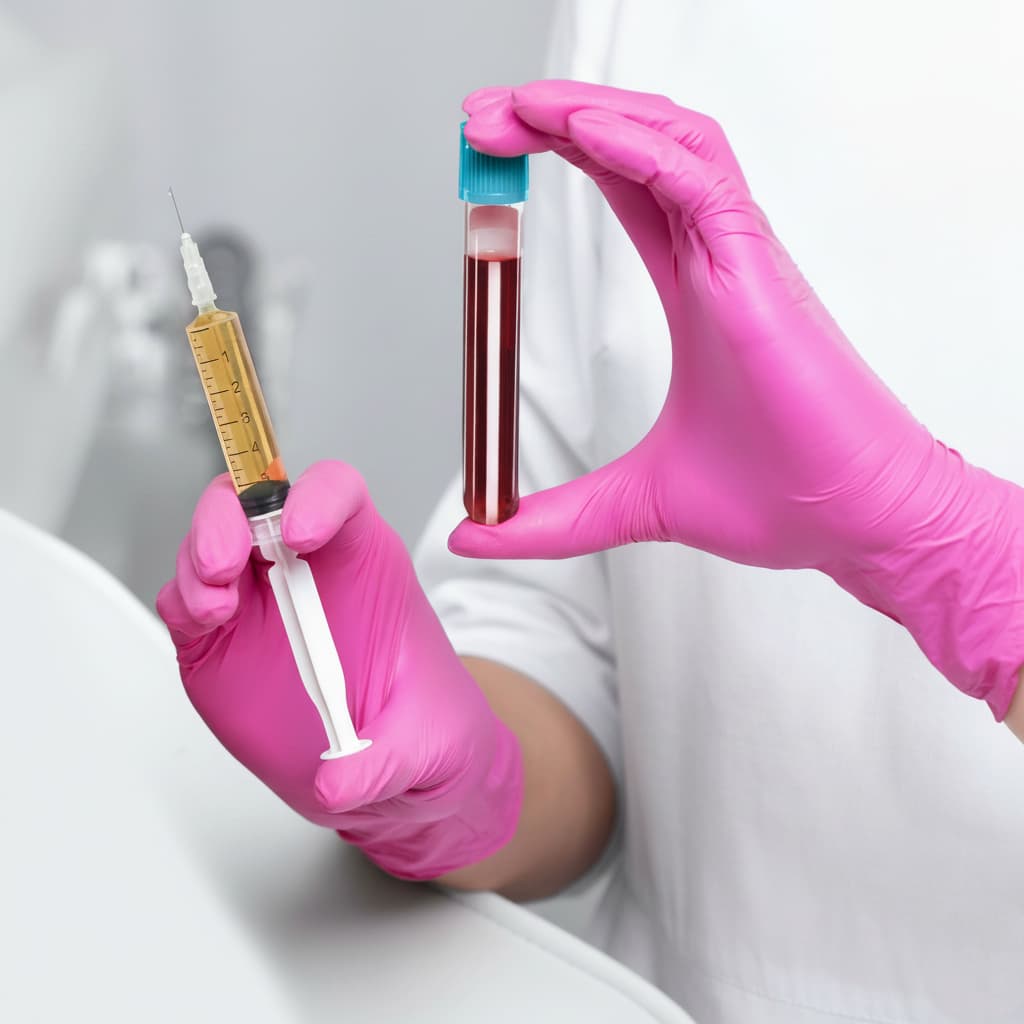
PRP (platelet-rich plasma) is created by spinning a small blood sample in a centrifuge to separate plasma rich in growth factors.
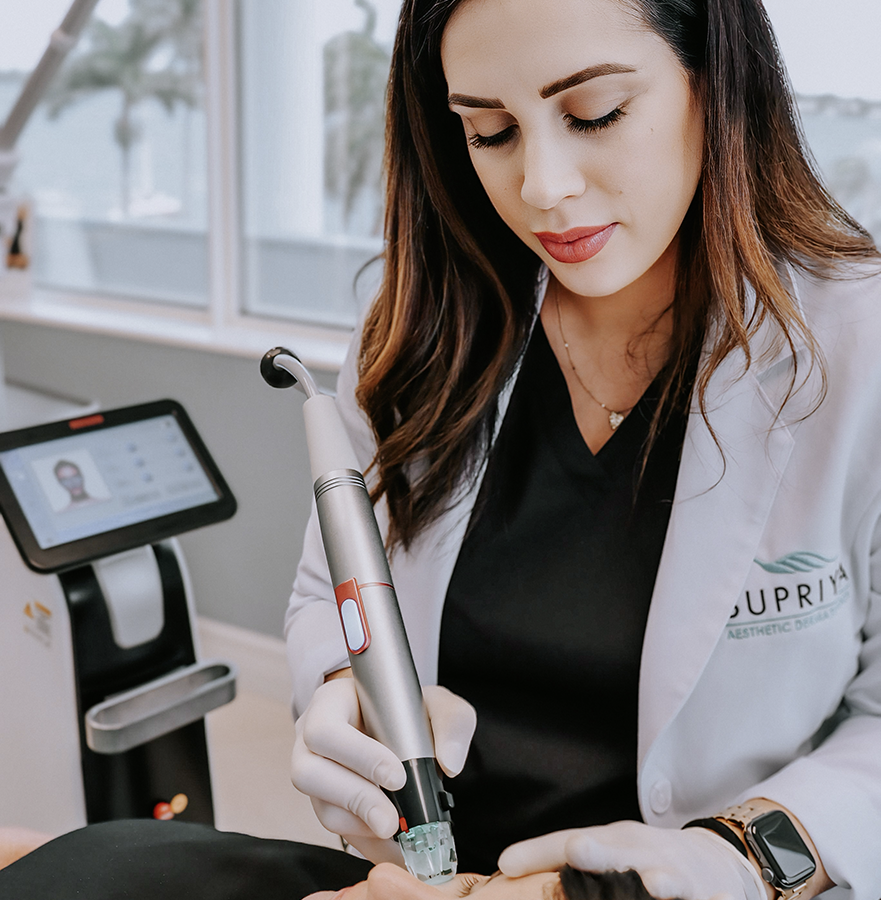
Once injected or microneedled into the skin, PRP works by:
- Stimulating collagen and elastin production
- Enhancing tissue repair and healing
- Improving overall skin tone and brightness
Patients who choose PRP often appreciate its ability to support skin rejuvenation and improve overall tone and texture. In our Palm Beach and Jupiter practice, PRP is frequently used for full-face rejuvenation and under-eye improvement where skin quality is the primary concern.
PRF vs PRP: Key Differences
Understanding PRF vs PRP comes down to how each is processed and how growth factors are released over time.
PRP (Platelet-Rich Plasma):
- Requires anticoagulants during processing
- Releases growth factors more quickly
- May require more frequent treatments for sustained results
PRF (Platelet-Rich Fibrin):
- No anticoagulants used (fully natural matrix)
- Forms a fibrin scaffold that releases growth factors gradually
- Longer-lasting regenerative stimulation
PRF is a newer regenerative approach that uses a fibrin matrix to support a more gradual release of growth factors.
Benefits of Each for Facial Rejuvenation
Both PRP and PRF offer impressive benefits, and the choice often depends on individual goals.
PRP Benefits
- Improves overall skin brightness
- Reduces fine lines and early aging signs
- Enhances skin texture and tone
- Supports acne scar improvement
PRF Benefits
- Longer-lasting collagen stimulation
- Improved under-eye rejuvenation support
- Enhanced skin density and elasticity
- More natural and sustained tissue regeneration
When evaluating PRF vs PRP, many patients in Palm Beach opt for a combination approach depending on facial area and desired longevity of results.
Why PRP & PRF Are Trusted Options for Long-Lasting Results
The reason PRF vs PRP continues to be a major topic in aesthetic dermatology is simple: both treatments harness your body’s own biology to restore skin health naturally.
Unlike fillers that add immediate volume, PRP and PRF work gradually by rebuilding the skin from the inside out. This leads to results that are subtle, natural-looking, and progressive.
In regenerative clinics across Palm Beach, these treatments are trusted because they:
- Use your own biological material (low risk of reaction)
- Improve skin quality over time rather than just appearance
- Pair well with microneedling, lasers, and other aesthetic treatments
- Support long-term collagen remodeling
When patients ask about PRF vs PRP, the answer often depends on whether they want faster improvement (PRP) or longer-lasting regenerative support (PRF).
Frequently Asked Questions
What makes PRF or PRP more effective for facial rejuvenation?
Both are effective, but PRF may offer longer-lasting stimulation due to its fibrin matrix, while PRP delivers faster initial improvement.
How does PRP and PRF improve skin tone and texture?
They stimulate collagen and elastin production, helping the skin rebuild healthier, firmer tissue over time.
Can PRP deliver faster results compared to PRF?
Yes, PRP typically shows earlier visible improvement, while PRF builds results more gradually but lasts longer.
Is PRP and PRF suitable for all skin types?
Yes, both treatments are safe for most skin types since they use your own blood components.
How Many Sessions Are Needed?
Most patients benefit from a series of 3 treatments spaced about 4–6 weeks apart. Maintenance sessions may be recommended every 6–12 months depending on aging concerns and skin condition.
In both PRP and PRF protocols, consistency is key. Collagen remodeling is gradual, meaning results improve over several months.
Key Takeaways
- PRF vs PRP are both regenerative treatments that use your own blood to improve skin quality naturally
- PRP offers quicker visible improvement, while PRF provides longer-lasting regenerative effects
- Both treatments stimulate collagen, improve texture, and restore skin radiance
- In Palm Beach aesthetic clinics, they are often used alone or in combination for best results
- Consistency over multiple sessions is key for optimal, long-term skin rejuvenation
At Supriya Aesthetic Dermatology, we tailor every treatment protocol to your skin’s unique needs, ensuring natural-looking, long-lasting results. Book a consultation here or give us a call 561-805-9399 to discover the best treatment plan for you.